
Hidden Memories
Dark DomeAdventure
4.8412.00 Reviews
- Version
- 1.1.33
- Installs
- 1.00M
- Age Rating
- Teen
Screenshots
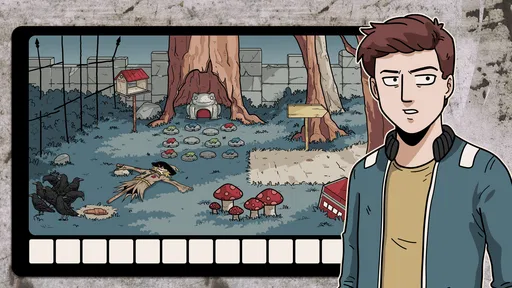
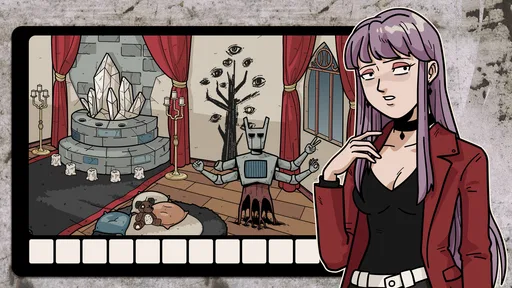
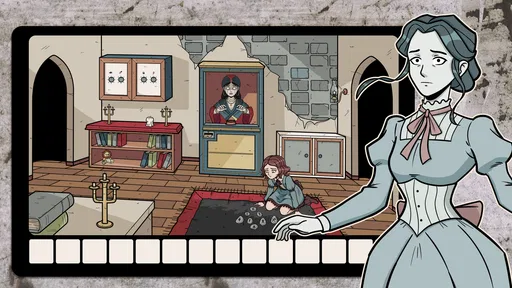
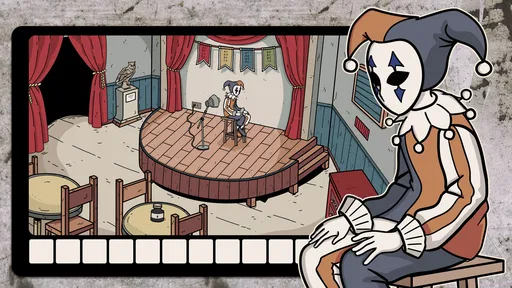
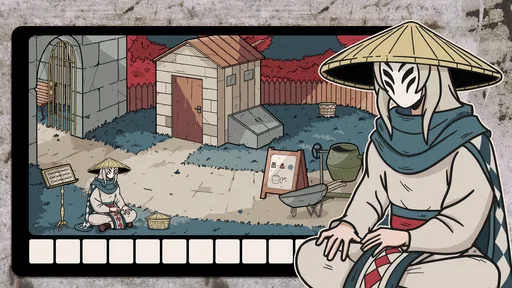
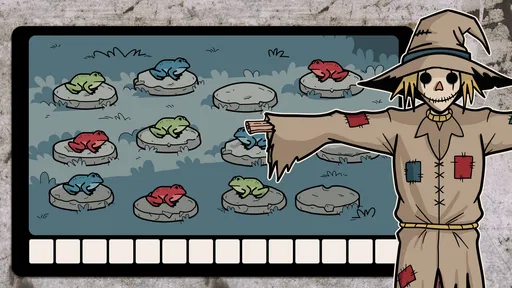
Our Review of Hidden Memories
 Analysis by Appyee
I approached Hidden Memories as a compact mystery adventure rather than a game built around constant action. Its central question is simple but effective: what happened last night, and why are the main character’s memories so important? That setup gives the experience an immediately personal tone. Instead of chasing a distant treasure or fighting through a fantasy world, I spent my time examining clues, connecting fragments, and trying to understand an unsettling situation from the inside.
That focus makes the game a good fit for players who enjoy atmospheric puzzles and story-led exploration on a phone. It is free to start, carries a Teen content rating, and comes from Dark Dome, a developer associated with dark mystery adventures. The game has attracted over a million installs and holds an average rating of 4.8 from around 26 thousand ratings, which suggests that its style has found a strong audience. Those numbers did not replace my own judgment, but they did match my impression that this is a polished, focused experience for a particular kind of player.
How the mystery feels in everyday play
The first thing I noticed was how quickly the premise creates pressure without needing a long explanation. The idea of reconstructing a missing night gives ordinary details more weight. A room, an object, or a line of dialogue can feel important because I am not merely looking for the next goal; I am trying to decide what belongs to the truth and what might be misleading.
That makes memory-based investigation the most useful way to approach the game. I found it more rewarding when I treated each discovery as part of a chain instead of tapping through everything as quickly as possible. Players who enjoy taking notes, revisiting earlier assumptions, and noticing relationships between clues will probably get more from it than players who want immediate action.
A realistic use case is a quiet evening when I have twenty or thirty minutes to concentrate. The game works well in that setting because its appeal depends on attention rather than reflexes. I could pause mentally after a discovery, think about what it changed, and continue when I was ready. It is less suitable for a crowded commute or a short moment when notifications are constantly interrupting, because losing track of a clue can make a later puzzle feel harder than it really is.
The atmosphere also gives the adventure its identity. Dark Dome does not present this as a cheerful, casual puzzle collection. The Teen rating is relevant because the tone is aimed at older players and may not suit children looking for light entertainment. I would recommend checking the mood of the game before handing it to a younger player, especially if they are sensitive to unsettling mystery themes.
Why the opening premise matters for performance expectations
From a speed perspective, this is the kind of game I expect to feel responsive when the device can handle its visual presentation comfortably. It is not built around a huge competitive environment or a constantly changing online world. The experience is more controlled, so the important question is not whether it delivers frantic action at all times, but whether exploration, clue inspection, and transitions stay comfortable during a normal session.
I did not approach it as a benchmark tool, and I would not choose it for raw technical spectacle. Its value comes from how quickly it lets me move from curiosity to investigation. When a mystery game makes me wait unnecessarily between discoveries, tension turns into irritation. Here, the focused structure is an advantage: the game can keep my attention on the next connection instead of burying the story under unrelated systems.
There is a trade-off, though. Players who measure value by the amount of action on screen may find the pace restrained. The game asks me to observe and interpret, not simply react. That slower rhythm is part of its identity, but it also means that someone expecting an arcade-like adventure should choose a different type of game.
What happens during longer or heavier sessions
The heavier moments are likely to come from sustained concentration rather than from a crowded multiplayer match. A long session can make the investigation feel mentally demanding because several clues may need to be held in mind at once. I found that taking a short break was more useful than repeatedly tapping through the same area. Returning with a fresh view can reveal that the problem is not a missing action, but an assumption I made earlier.
This is one of the game’s less obvious strengths: it rewards deliberate investigation instead of random tapping. A practical method is to separate observations from theories. If I notice an object or a detail, I treat that as evidence. If I decide what it means, I treat that as a hypothesis. Keeping those two things apart reduces the chance of locking onto the first explanation that seems plausible.
That method also helps with the game’s main friction. Mystery adventures can become frustrating when I forget why I entered a location or which clue changed the situation. Rather than assuming the game is broken, I would first retrace the most recent discovery and ask what new possibility it introduced. This is especially useful for players who tend to explore every clickable item before thinking about the story.
In terms of resource demands, the game’s confirmed platform requirement is Android 6.0 or later, and the current version is 1.1.33. Those details make it accessible to a broad range of Android devices, but they should not be mistaken for a guarantee that every older phone will feel identical. A device can meet the operating-system requirement and still vary in available memory, battery condition, or general responsiveness. I would close demanding background apps before a longer session on an older handset, not because the game is confirmed to be unusually heavy, but because mystery games are much easier to enjoy when interruptions and slowdowns are minimized.
Stability, interruptions, and recovering your place
Reliability matters more in a clue-driven game than it might in a disposable arcade title. If an interruption causes me to lose the thread of the investigation, the damage is not just a few seconds of progress; it can weaken the entire sense of discovery. That is why I prefer playing in a stable setting, with enough battery and fewer competing apps open.
The sensible recovery habit is to pause at a clear point rather than stopping immediately after a confusing interaction. I like to remember the last location, the last meaningful clue, and the question I was trying to answer. That small routine makes it easier to resume without wandering through the same areas blindly. It is useful whether the interruption comes from a phone call, a notification, or simply the need to put the device down.
I also recommend updating through the normal app-store process when an update is offered. The developer is Dark Dome, and the listed version gives players a clear reference point when discussing compatibility or troubleshooting. I would not treat a single awkward moment as evidence of instability, especially in a narrative puzzle where an unclear clue can resemble a technical problem. First, I would restart the current sequence mentally, check whether I missed a detail, and then relaunch the game if the behavior genuinely seems stuck.
The free entry point is convenient, but the game includes in-app purchases priced at $2.99 per item. That is worth considering before starting if I prefer games with no optional spending at all. I would approach the purchase system as a convenience decision rather than part of the mystery itself: enjoy the free experience first, then decide whether an individual item is worthwhile. This prevents the price of an optional item from shaping my opinion before I know whether the game’s style suits me.
Older phones, newer phones, and practical device limits
The minimum Android requirement of 6.0 means the game is not limited to only recent phones. That is good news for players who keep an older device for casual gaming. Still, operating-system compatibility is only the first filter. Screen size, touch accuracy, storage pressure, and battery health can all affect how comfortable a clue-heavy adventure feels.
On a smaller display, details may demand more attention, particularly when the game asks me to inspect an object or distinguish one visual element from another. I would increase screen brightness only as much as necessary, since maximum brightness can make a longer session harder on the battery and on my eyes. A medium-sized screen is likely the most comfortable compromise: large enough for careful inspection, but still easy to hold during a relaxed play session.
Players using an older or lower-powered device should also avoid judging the game during a moment when the phone is already under pressure from several background tasks. Freeing some memory and restarting the game can provide a cleaner test. If the phone remains sluggish across other apps, the limitation is probably broader than this particular adventure. In that situation, a simpler puzzle game may be a better fit, especially for someone who values instant loading above atmosphere.
On a newer phone, I would still keep expectations realistic. Better hardware can make the experience feel smoother, but it does not change the deliberate pace or the investigation-first design. A powerful device will not turn Hidden Memories into an action game. Its benefit is comfort and consistency, not a different genre.
Who should play it and who should skip it
I would recommend this game to someone who likes dark stories, environmental clues, and the satisfaction of solving a mystery without being rushed. It is especially appealing to players who enjoy discussing theories after a session or replaying a sequence in their head to see which detail they overlooked. The free starting price makes it easy to test that fit without committing immediately.
I would be more cautious recommending it to a player who wants combat, character progression, open-world freedom, or a constant stream of rewards. None of those expectations fit the core appeal I experienced. Someone who dislikes ambiguity may also become impatient, because the game’s question-driven structure asks for interpretation rather than handing over every answer at once.
It is also not my first choice for very young players because of the Teen rating and darker tone. For family gaming, a bright puzzle adventure would probably be more appropriate. For a friend who likes horror-flavored mysteries but has little patience for complicated controls, however, this is a much better suggestion than a large action game with many menus and systems to learn.
How it compares with familiar adventure alternatives
Compared with a typical action adventure, Hidden Memories feels narrower and more intimate. There is less emphasis on movement mastery or combat and more on understanding the situation. That makes it easier to pick up when I want a story puzzle rather than a long campaign, but it can feel modest to anyone who expects a broad world to explore.
Compared with a standard casual puzzle game, it has a stronger narrative reason for each discovery. I am not simply solving unrelated challenges for points. The mystery gives the puzzles context, which makes a successful deduction feel more meaningful. The trade-off is that a casual game may be easier to play while distracted, whereas this one rewards remembering what happened and why it matters.
It also differs from multiplayer mystery games because the experience is more personal and self-paced. I do not need a group of friends available at the same time to make progress. That is useful for solo players, but people who enjoy arguing over clues with a live team may prefer a social alternative. Hidden Memories is at its best when I can control the rhythm and let the atmosphere build quietly.
Small habits that make the investigation better
My first practical tip is to avoid exhausting every interaction immediately. I explore broadly, but when a clue feels important, I stop and interpret it before moving on. This prevents the common mistake of collecting details without understanding their relationship.
My second tip is to use the phone’s own note-taking tool if the mystery begins to branch in several directions. I write down short labels rather than full paragraphs: a location, an object, and the question connected to it. That keeps the notes useful without turning the game into paperwork. It is particularly helpful after an interruption or a break.
My third tip is to judge a confusing section by the quality of the last discovery, not by how long I have been stuck. If the latest clue clearly changed the situation, I revisit earlier places with that new information. If nothing changed, I look for an interaction I dismissed too quickly. This two-step check is more effective than tapping every object repeatedly.
Finally, I would play with headphones only if the surrounding environment is comfortable and the player enjoys a more enclosed atmosphere. If concentration is already difficult, headphones will not solve the problem by themselves. A quiet room, a stable device, and a short note about the current objective are more valuable than forcing a particular setup.
My performance verdict after spending time with it
Hidden Memories succeeds because its technical expectations serve its mystery rather than competing with it. I did not come away wanting more explosions or a larger map. I wanted the investigation to remain clear, the atmosphere to stay focused, and the game to respect my attention. Its strongest performance quality is therefore perceived consistency: the experience feels designed for concentrated solo play instead of demanding a powerful setup or a permanent online commitment.
There are limits. The deliberate pace will not satisfy everyone, the Teen tone narrows its audience, and optional purchases at $2.99 per item are something budget-conscious players should keep in mind. Older devices may also need sensible preparation even though Android 6.0 or later is supported. These are not reasons to dismiss the game, but they are important when matching it to the right player.
My final recommendation is straightforward: try it if you want a free, story-led adventure built around recovering the truth from a troubling night. Start when you can give the clues your full attention, keep a brief note when the plot becomes layered, and resist random tapping. If you prefer fast action or effortless background play, choose another genre. For me, though, Dark Dome’s focused approach makes this a convincing mystery game, and its best feature is the way it turns careful attention into progress.
Verdict
Strengths of Hidden Memories
- Atmospheric visuals create a memorable and immersive mystery experience.
- Short chapters make it easy to enjoy the game in brief sessions.
- Clues encourage careful observation rather than random guessing.
- The story unfolds gradually, keeping curiosity high throughout.
- Simple controls make it accessible to players of different skill levels.
Limitations of Hidden Memories
- Some puzzles may feel too easy for experienced adventure-game players.
- The slow pacing may not appeal to users seeking constant action.
- Certain clues can be difficult to notice on smaller phone screens.
- Replay value is limited once the story and solutions are known.
- Performance may vary on older devices with limited hardware.
Similar Picks in This Category
View All
Roblox
Roblox Corporation4.2

Pokémon GO
Niantic, Inc.3.5

Ninja warrior: legend of adven
TOH Games4.6

Ninja Arashi
Black Panther4.6

Eyes - The Horror Game
Fearless Games sp. j.4.5

Critical Action:Gun Strike Ops
FPS Shooter & Action Game4.3
Frequently Asked Questions
What is Hidden Memories about?
Hidden Memories is a story-driven mystery game centered on exploration, investigation, and the discovery of forgotten events. Players examine locations, search for clues, solve puzzles, and gradually piece together the characters’ pasts. The experience focuses more on atmosphere, narrative reveals, and careful observation than on fast-paced action, making it suitable for players who enjoy suspenseful adventures and emotional storytelling.
How does the gameplay work in Hidden Memories?
Gameplay combines exploration, object searching, dialogue, clue collection, and puzzle solving. You generally progress by investigating environments, interacting with important items, and connecting evidence to unlock new parts of the story. Some sections require patience because the next objective may not always be obvious. Paying attention to conversations and examining the surroundings carefully is essential for progressing without missing useful clues.
Is Hidden Memories suitable for children?
Parents should check the game’s current age rating before allowing younger players to download it. Although Hidden Memories is not primarily an action game, its mystery narrative may include tense scenes, unsettling themes, emotional situations, or references to difficult memories. The suitability can also depend on a child’s sensitivity to suspense and psychological storytelling, so parental guidance is recommended for younger audiences.
Does Hidden Memories require an internet connection?
The internet requirements can depend on the version and platform you install. The main story may be playable offline after the necessary files have been downloaded, but an internet connection could still be needed for the initial installation, updates, advertisements, cloud features, account services, or optional purchases. It is best to launch the game once while connected before relying on it during travel or without mobile data.
Is Hidden Memories free to download, and does it include purchases?
Hidden Memories may be available as a free download, but users should review the store listing carefully because the business model can vary by platform and region. Some versions may include advertisements, optional in-app purchases, premium chapters, or a one-time payment to unlock the complete experience. Always check the displayed price, permissions, and purchase information before downloading or handing the device to a child.
Play our best games!


